Views: 0 Author: Site Editor Publish Time: 2026-01-06 Origin: Site
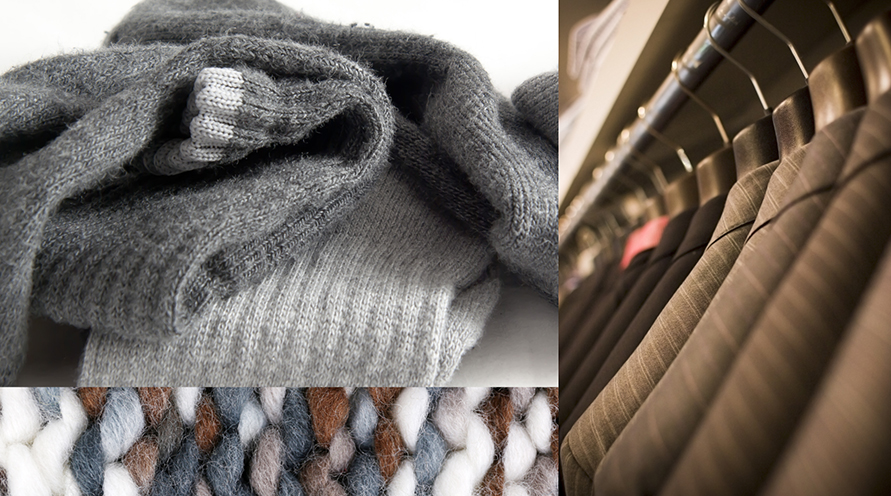
Classification of Various Fabrics: Woven and Knitted
Fabrics must be woven, and they are used in clothing, shoes, hats, curtains, bed sheets, car interiors, and more. Modern high-tech fabrics continue to emerge, combining powerful functionality with durability. However, the most common and popular fabrics still share similar structures, varying only slightly.
Generally, weaving is divided into two categories: woven and knitted. Woven fabrics (Woven) are produced by interlacing warp and weft threads, much like weaving a straw mat. The fabric remains stable even if one thread is removed from the middle. This makes it suitable for durable and wear-resistant fabrics such as suits, workwear, jeans, canvas, and shirts.
Different from woven but structurally unique is knitted fabric. For example, circular knitting machines belong to the knitted category. Weft knitting (Weft Knit) produces knitted fabrics, including flat knitting machines and circular knitting machines. Yes, flat knitting machines also fall under the knitted category and are part of weft knitting, similar to circular knitting machines. They produce fabric by looping yarns one by one. If you remove the main thread, the loops will unravel one after another. A common example is socks; when a hole appears, it tends to get bigger quickly. Despite this, such fabrics are soft, elastic, and stretchable, making them ideal for T-shirts, sweaters, socks, and other sporty or fashionable garments. In actual production, due to different levels of difficulty and specialized functions, woven fabrics are slower to produce compared to knitted fabrics, giving knitted fabrics an advantage in rapid production and cost reduction.
Another area of knitting is warp knitting, where yarns are looped along the warp direction, often requiring multi-bed needles for stability. This makes warp knitting suitable for more specialized applications, such as swimwear, lace, and automotive interiors. In terms of market share, if woven and weft knitting each account for about 45%, warp knitting might only make up around 10%.
Quick Reference Guide: Three Main Textile Categories — Machinery, Fabric Types, and Applications
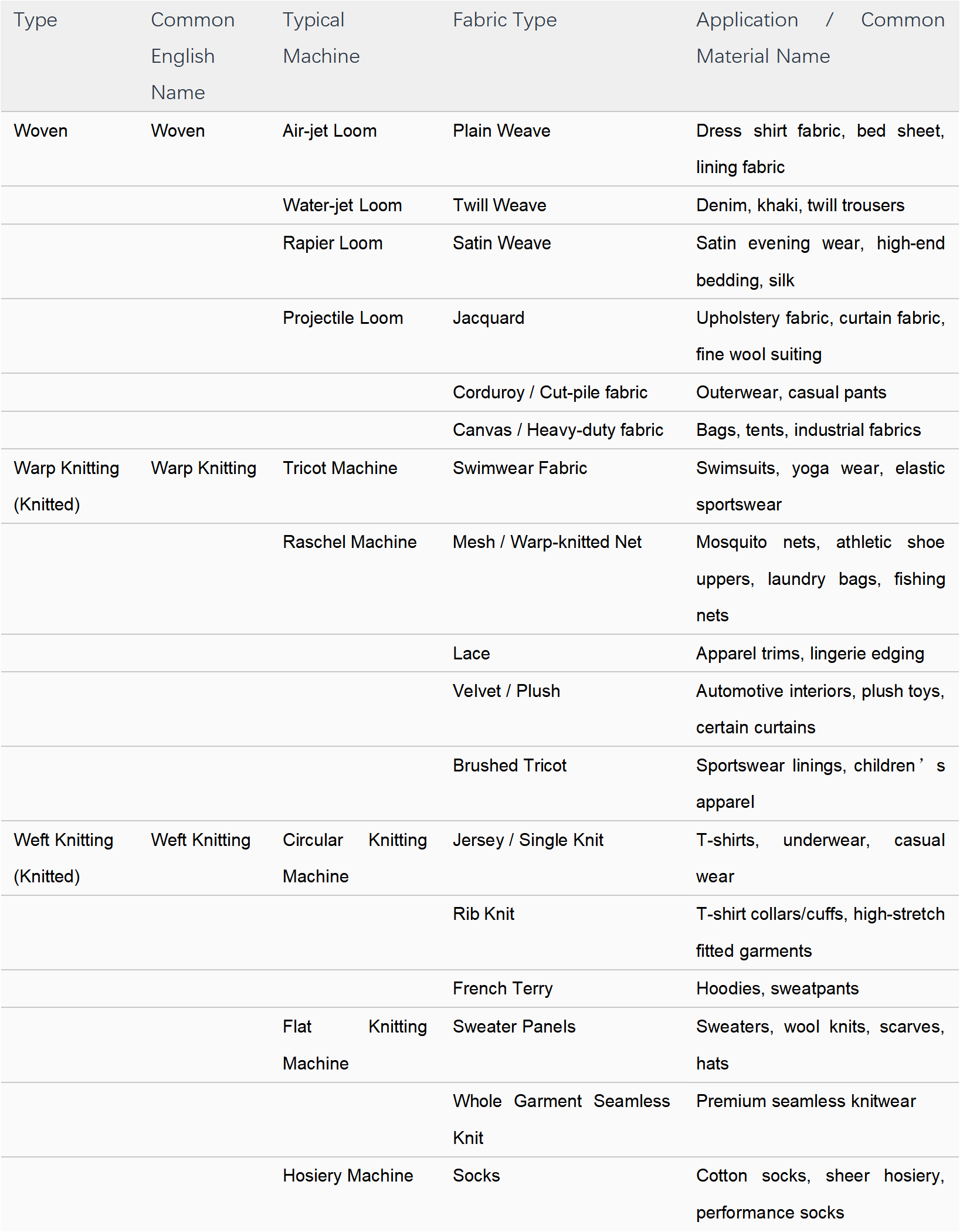

Glossary of Technical Terms (Partial):
Woven: Made by interweaving warp and weft yarns, with distinct front and back sides.
Warp Knitting: Yarns are knitted along the warp direction, suitable for producing mesh, swimwear fabrics, etc.
Weft Knitting: Yarns are knitted horizontally in loops, such as for T-shirts, sweaters, etc.
Plain Weave: The most basic weave method, such as shirt fabric.
Twill Weave: Characterized by diagonal lines, such as denim.
Jacquard: Can produce complex patterns, such as curtain or upholstery fabric.
Tricot: Lightweight, elastic knitted fabric used for swimwear.
Raschel: Can produce wide-width, mesh, or lace fabrics.
Jersey: The most common weft-knitted fabric, such as T-shirt material.
Circular knitting machines belong to the weft knitting category, offering high production efficiency and diverse products. They can produce various types of grey cloth such as jersey, interlock, and French terry for subsequent garment use.