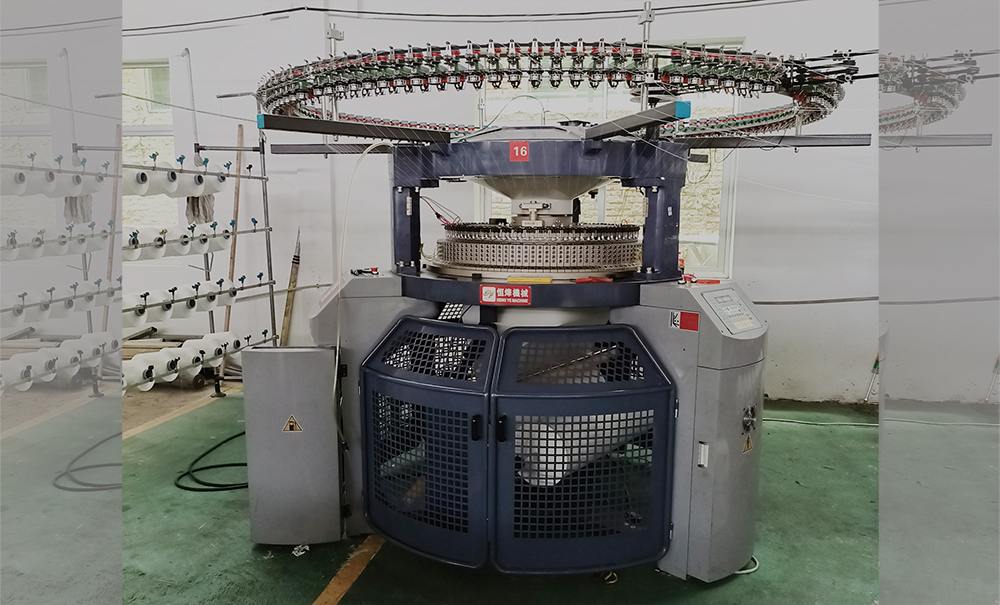
A circular knitting machine—also known as a circular weft-knitting machine (or more concisely, a circular knitting machine)—features numerous knitting systems (commonly referred to as "feeds"). For example, in a single-jersey latch-needle circular knitting machine, each knitting system consists of latch needles, sinkers, cam carriers, yarn guides, and other components. Each feed constitutes an independent unit capable of forming loops. Due to its high number of feeds and high rotational speed, this machine achieves high production output. Combined with excellent fabric quality, it offers strong product versatility, rapid pattern changes, and fewer processing steps—factors that have driven its rapid development.
Read More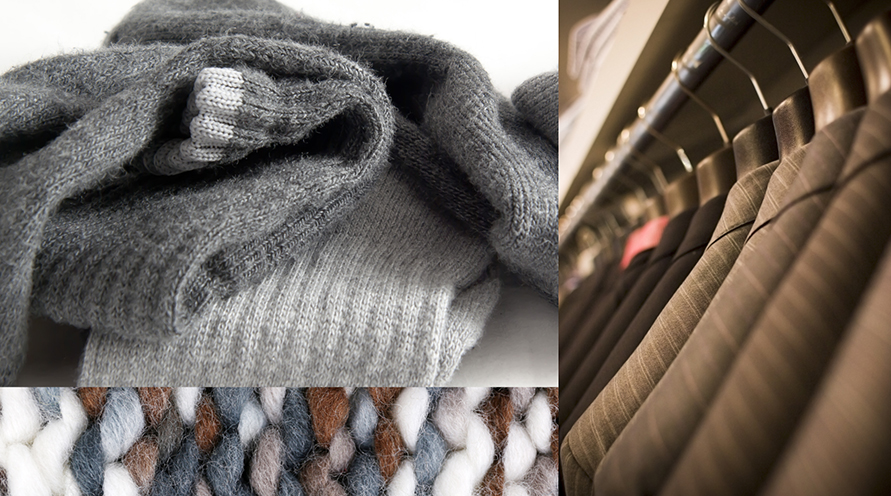
Fabrics must be woven, and they are used in clothing, shoes, hats, curtains, bed sheets, car interiors, and more. Modern high-tech fabrics continue to emerge, combining powerful functionality with durability. However, the most common and popular fabrics still share similar structures, varying only slightly.
Read More
We often say the “heart” of a circular knitting machine. In China, the word “heart” is used more commonly because the main part of the machine looks like the human heart—the power organ of blood circulation. Coincidentally, this system is also located at the center of the machine.
Read More
To outsiders, textile workers may seem to interact only with machines, yarns, and technical parameters. Yet the habits formed through daily work with needle cylinders, yarn feeders, and take-down rollers have quietly seeped into their lives—not by design, but by instinct.
Read More